Practical Steps for Schools and Offices After Carpet Water Damage
Act Fast to Limit Damage and Health Risks
When water soaks into carpets in a school or office, the clock starts ticking. Standing water or high humidity can turn a clean carpet into a breeding ground for mold within 24 to 48 hours. Mold spores trigger allergies, asthma, and other respiratory issues, especially in buildings where children or large groups spend long hours. The goal is to dry everything thoroughly and quickly, and to know when the damage is too severe for simple cleanup. This article walks through the key steps any facility manager should take, from the first call for help to the final check on indoor air quality.
Step 1: Identify the Source and Stop the Flow
Before moving furniture or pulling up carpet, find out where the water is coming from. A burst pipe, a leaking roof, a clogged drain, or a backed-up sewer all require different responses. Turn off the water supply if a pipe has burst. For roof leaks, a temporary patch may stop the inflow until repairs can be made. For sewage backups, the water is contaminated and requires specialized handling from the start. Do not assume the water is clean. If in doubt, treat it as contaminated and isolate the area. Post warning signs to keep people away until the source is controlled and the space can be assessed safely.
Step 2: Remove Standing Water Immediately
Use wet vacuums or portable extractors to pull up as much water as possible. In large open areas like a school gym or an office lobby, commercial-grade equipment is necessary. Household wet-dry vacuums are too slow and may not handle the volume. Work in sections, moving from the wettest area toward drier zones. Pay attention to corners and edges where water hides under baseboards. If the carpet is heavily saturated, the padding underneath may need to be removed entirely. Do not wait for the carpet to dry on its own, that almost always leads to mold growth under the surface where you cannot see it.
Step 3: Assess the Carpet and Padding Condition
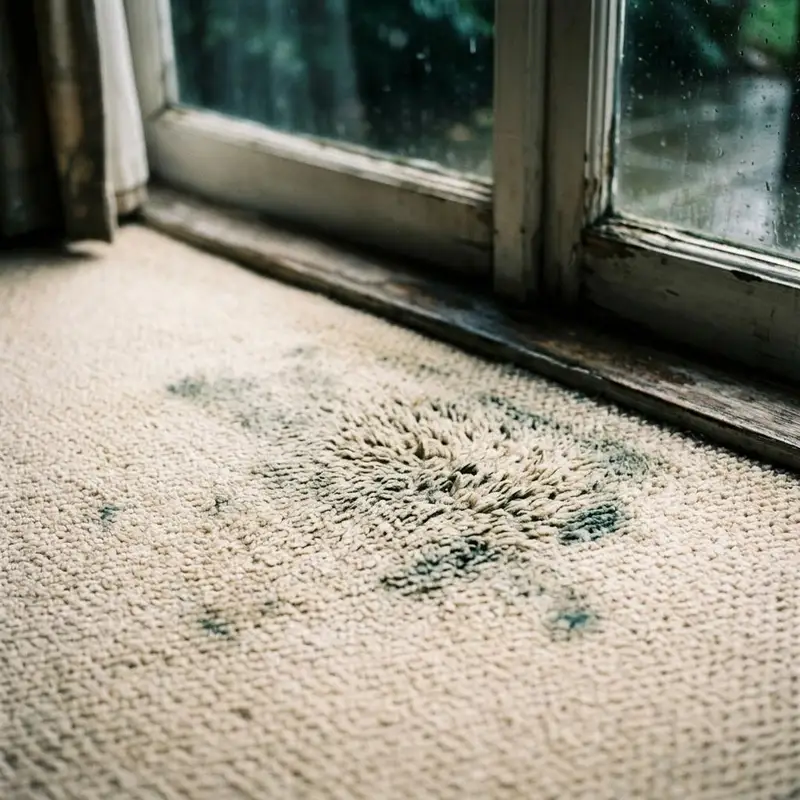
Not every wet carpet can be saved. If the water was clean and the carpet was dried within 24 hours, it may be salvageable with professional cleaning and drying. But if the water was gray or black water (from a sewer or flood), or if the carpet stayed wet for more than two days, the padding and possibly the carpet itself must be removed. In schools and offices, the presence of hidden moisture under heavy furniture or in low-traffic areas makes this assessment tricky. Use a moisture meter to check the carpet backing and the subfloor. If the subfloor is concrete, it may dry with time and dehumidifiers. If it is wood, it may need to be replaced. Do not replace carpet over a wet subfloor, that traps moisture and guarantees mold later.
Step 4: Dry the Structure and the Air
Once standing water is removed and damaged materials are taken out, the drying process begins. Industrial air movers, dehumidifiers, and fans should run around the clock. In a school or office, this often means working after hours or during a temporary closure. Open windows only if the outdoor humidity is lower than indoor levels, otherwise, you are adding moisture. Monitor humidity levels with a hygrometer; aim for below 50 percent relative humidity. This step is not about drying the carpet alone; it is about drying the entire space: walls, baseboards, floor joists, and even the HVAC system. If the ductwork got wet, it must be inspected and dried to prevent mold from spreading through the building.
Step 5: Clean and Disinfect All Affected Surfaces
After the area is dry, cleaning is not optional. Use a HEPA-filtered vacuum to capture mold spores and dust. Then apply an antimicrobial solution to hard surfaces like concrete, tile, and metal. Do not use bleach on porous surfaces, it cannot penetrate deep enough to kill mold roots, and it can damage carpet fibers. Instead, use products designed for mold remediation. When the carpet itself is being kept, a hot-water extraction cleaning with professional-grade equipment is the standard. This is where specialized services come into play. For large commercial spaces, the phrase "Carpet Mold Removal Services Pros commercial carpet remediation" describes the kind of thorough, structural approach needed, not just spot cleaning, but a full protocol to ensure the building is safe for occupants.
Step 6: Replace Padding and Reinstall Carpet Correctly
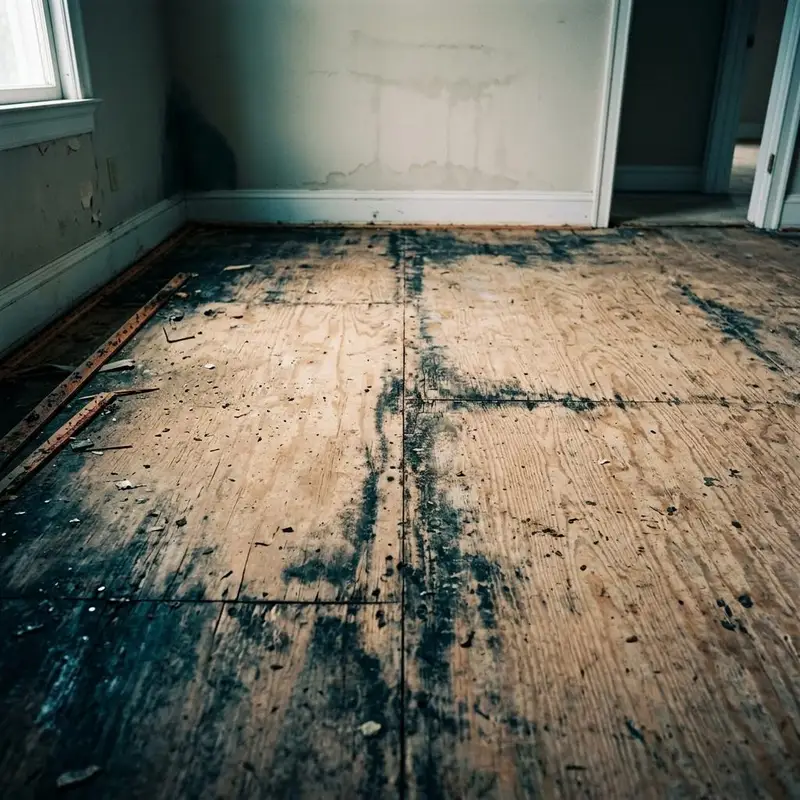
If the carpet was removed, the new padding should be moisture-resistant. Many commercial carpets today come with built-in moisture barriers, but the padding underneath is still vulnerable. Choose padding that does not absorb water, like rubber or synthetic felt. When reinstalling, ensure the subfloor is completely dry. Use a moisture meter to confirm readings below the manufacturer's recommended maximum. If the carpet was saved, it must be re-stretched and re-seamed properly. A loose carpet creates tripping hazards and can trap moisture again. Schools and offices with high traffic need a secure installation that will hold up to daily use and future spills.
Step 7: Monitor Indoor Air Quality and Watch for Signs of Mold
Even after the cleanup looks complete, mold can grow in hidden spots for weeks. Run the HVAC system continuously to circulate air, and check for musty odors. If the smell returns, mold is likely still active somewhere. Consider hiring an industrial hygienist to test air quality, especially in schools where children are present. Look for visible signs: discoloration on walls, bubbling paint, or dark spots along baseboards. If any of these appear, the remediation is not finished. A proactive maintenance schedule, including regular inspections of plumbing, roofs, and HVAC drainage, helps prevent repeat incidents. The brand Carpet Mold Removal Services Pros offers guidance on maintaining healthy indoor environments after water damage, but the real work is in the follow-up.
Final Checks Before Reopening the Space
Before students or employees return, walk through the entire area. Check that all furniture is dry underneath and that no damp items remain. Replace any ceiling tiles that got wet, they cannot be dried effectively. Ensure that all cleaning materials and equipment are removed and that the space has had at least 24 hours of continuous dry air circulation. If the carpet was replaced, vacuum with a HEPA filter to remove any construction dust. If the cleaning was thorough, the space should smell fresh and feel dry. If there is any doubt, delay reopening until a second inspection is done. The cost of waiting one more day is far less than the cost of dealing with a mold problem that makes people sick.
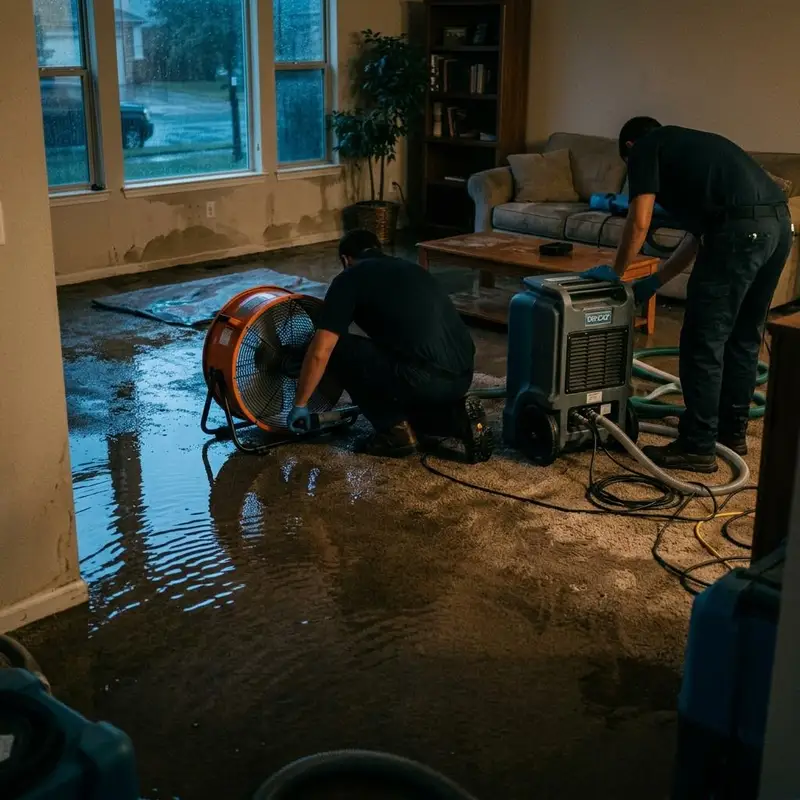
For large-scale commercial carpet remediation, especially in schools where health standards are strict, the process demands more than a quick cleanup. It requires careful drying, removal of contaminated materials, and restoration of the building structure. A service like "Carpet Mold Removal Services Pros commercial carpet remediation" brings the expertise and equipment needed to handle these steps at scale. By following this sequence, stop the water, dry the structure, remove what cannot be saved, and verify air quality, facility managers can protect both the building and the people inside it.